
Learn Budget Management That Actually Works
We built this program after years of watching businesses struggle with spreadsheets that don't talk to each other and forecasts that miss reality by miles. The courses here aren't theory dumps—they're practical frameworks you can use next week.
View Upcoming SessionsHow The Program Flows
Most people come in thinking they need fancy software. What they really need is a system that makes sense when budgets get messy—which is always.
Foundation Phase
We start with budget fundamentals that matter. Cost categorization, variance tracking, and realistic forecasting. You'll build a budget framework for a mock project before touching your real data.
Application Stage
Bring your actual project numbers. We work through allocation problems, timeline shifts, and resource conflicts using your real scenarios. This is where theory meets the chaos of actual projects.
Advanced Techniques
Risk buffering, multi-project portfolio balancing, and stakeholder reporting that doesn't require a translation guide. These sessions run smaller because the problems get specific.

What You'll Actually Do
- Build budget templates that adapt when project scope changes mid-stream
- Track spending patterns that predict overruns before they happen
- Create forecasts based on real project velocity, not wishful timelines
- Communicate budget status to stakeholders who don't speak finance
- Handle the inevitable scope creep without blowing everything up
Sessions run six to eight weeks depending on cohort size. Next intake starts July 2026. We cap groups at sixteen because interactive workshops don't work with lecture hall numbers.
Who Teaches This
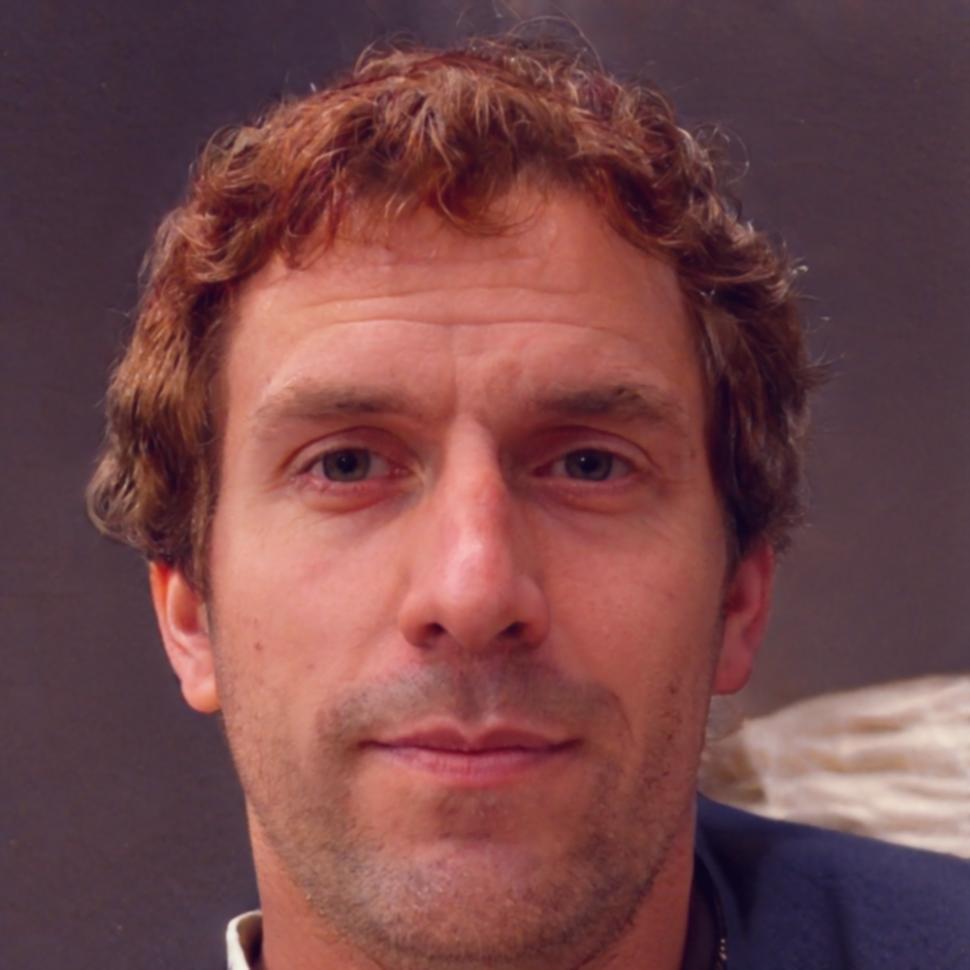
Darren Huxley
Budget Systems LeadSpent twelve years fixing budget disasters for construction and infrastructure projects across Queensland and NSW. Now I teach the frameworks I wish someone had shown me when I was tracking six projects on three different spreadsheet systems.

Callum Threlfall
Financial Planning SpecialistMy background is manufacturing finance where margins are thin and forecasting errors cost real money. I focus on the advanced sessions—portfolio management and risk modeling when you're juggling multiple projects with shared resources.
Why It's Structured This Way
Traditional budget courses teach formulas. We teach decision-making under uncertainty, which is what project budgeting actually is. You'll make mistakes in a low-stakes environment so you don't make them when stakeholders are watching.
The Workshop Model
- Small group sessions where everyone contributes, not lectures you sit through
- Real budget scenarios from past projects, anonymized but authentic
- Peer review of each other's work—you learn fast when explaining your thinking
- Office hours between sessions for one-on-one problem solving
- Post-program access to updated materials as tools and methods evolve